Top Ten Highlights Of Southern Africa
So you're planning your first trip to Southern Africa. Although we might be biased, can we say you have chosen a fantastic destination? Southern Africa is known for its diversity of experiences, abundant wildlife and some of the most amazing landscapes on the planet. Did we also mention it has Africa’s only truly world class city - Cape Town
Below we have compiled our top ten Highlights Of Southern Africa.
1. Victoria Falls
Victoria Falls is much more than a single landmark; it is a gateway to the Zambezi River, the surrounding national parks, and a perfect launching point for exploring larger safari destinations like Chobe and Hwange.
The Falls themselves mark the dramatic point where the Zambezi River plunges into a deep basalt gorge, forming a single curtain of water over 1.5 kilometers wide. During high water, the sound is thunderous, and millions of liters of water tumbling down create a mist visible from miles away. It is this spectacle that earned the Falls its local Tonga name, Mosi-oa-Tunya—"The Smoke That Thunders."
The experience can be enjoyed from both Zambia and Zimbabwe. Generally, Zambian accommodation tends to be nestled along the riverbanks, while Zimbabwe offers a mix of river lodges and larger hotels located in Victoria Falls Town proper.
Victoria Falls offers many activities, such as:
Sunset river cruises
Helicopter flights ("The Flight of Angels")
White water rafting
Devil’s Pool (Seasonal)
Bungee jumping & Gorge swings
Chobe National Park day trips
Walking with rhinos
The Boma dinner & drum show
Bushtracks steam train dinner
High Tea at the Victoria Falls Hotel
Canoe safaris on the Upper Zambezi
Microlight flights





2. Greater Kruger Area
The Greater Kruger National Park refers to Kruger National Park together with the adjoining private game reserves along its western boundary, many of which share unfenced borders and free-roaming wildlife. This vast, continuous conservation area offers classic Big Five game viewing with a choice of public rest camps in Kruger itself and more intimate, upscale lodges in the private reserves.
The Greater Kruger is big, roughly the size of the island of Fiji or Wales. With this scale comes remarkable biodiversity, with over 500 bird species and around 150 mammals, making it one of Southern Africa’s most biodiverse protected areas.
The private reserves of the Sabi Sand Game Reserve, Timbavati Game Reserve, Thornybush Game Reserve and the Klaserie Private Nature Reserve offer some of Africa's best lodges and wildlife viewing experiences. With the Sabi Sands renowned as being the best place in the world to spot leopards.
In additional to beautiful lodges Private reserves offer a number of benefits that make them the number one choice for international visitors
A limited number of lodges and guests, ensuring a private and intimate experience
Strict vehicle limits at sightings (often a maximum of 2–3 vehicles, so less crowding)
The ability for rangers to leave the road to follow predators
More flexible game drive times with sunset and night drives permitted, allowing you to spot elusive nocturnal animals
A strong focus on interpreting behavior, tracking and overall appreciation of the entire ecosystem
Private reserves typically use a tracker, who sits on the front of the vehicle and assists your guide in finding wildlife. These local trackers who have grown up not only in the bush but often just kilometres aware provide a big advantage in using their deep knowledge of the bush to track and spot wildlife.
4. Cape Town
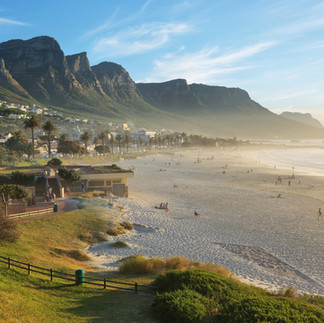
Imagine a city where ocean, mountain and culture meet on a single, spectacular stage and find yourself in Cape Town. Table Mountain rises like a stone Amphitheatre above beaches of white sand and cold Atlantic water, while the Cape Peninsula unspools south past granite boulders, kelp forests and fynbos-scented slopes. Neighborhood's shout with colour in Bo-Kaap, grit and galleries in Woodstock and don't forget the hustle & bustle of the Victoria & Alfred Waterfront.
Ride the cableway or hike up Platteklip for views that sweep from Robben Island to False Bay; wander Kirstenbosch’s canopy walk; trace Chapman’s Peak Drive to Cape Point where two oceans meet in spray and wind. Swim with penguins at Boulders, surf gentle rollers at Muizenberg, and finish with sundowners on Clifton’s granite-backed sands or a wine tasting under oaks in Constantia.
Cape Town also tells a profound story of history and resilience. Visit Robben Island to hear voices that shaped a nation, explore District Six’s memory and the Cape Malay spice routes, then taste the city’s present in its food markets and world-class kitchens.
Cosmopolitan yet grounded in wild nature, Cape Town is South Africa’s most dramatic and effortlessly liveable coastal city.




5. Chobe National Park
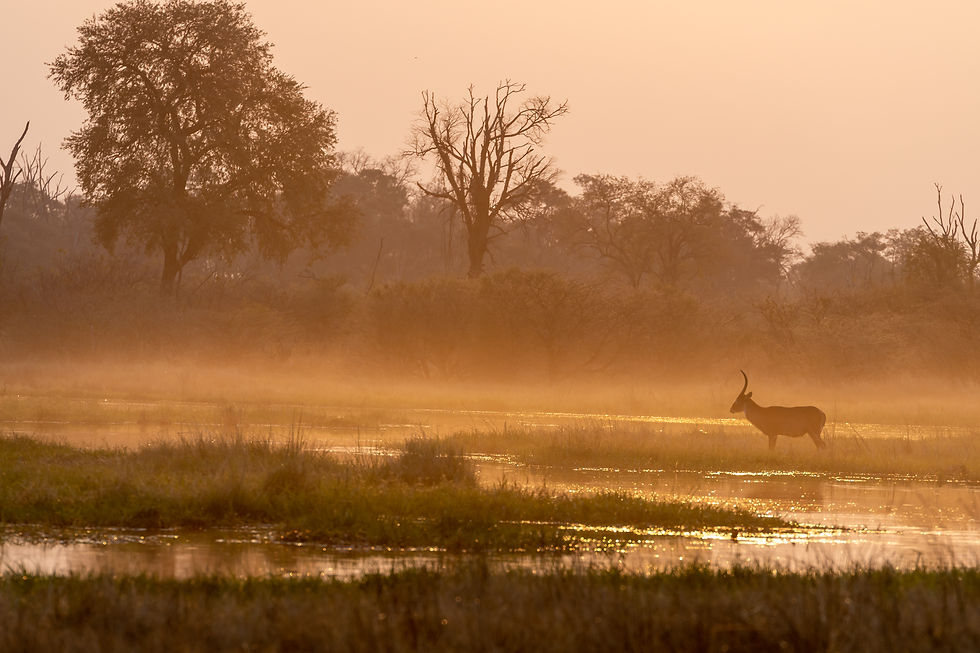
If the Okavango Delta is Botswana’s crown jewel, then Chobe National Park is its wild, beating heart. As the country's first national park, established in 1968, Chobe sits in the northeast of Botswana, just a convenient two-hour drive from Victoria Falls. The park is renowned for the magnificent Chobe River, which boasts reliable predator sightings and Africa’s largest concentration of elephants.
Most travelers experience Chobe by visiting the northern riverfront section. Here, animals congregate in extraordinary density, allowing visitors to explore via open vehicle game drives or boat cruises along the water. While this area hosts the bulk of the lodges and can be busy during the peak winter months (June – September), those who venture further inland are rewarded with the remote, untamed corners of the Linyanti and Savute.
The Savute region, in particular, is regarded as one of the best big game viewing destinations in Africa. It is a raw landscape where you can expect to find massive lion prides, thriving packs of wild dogs, and elusive leopards. And, because this is still Chobe, elephants remain an abundant and majestic backdrop to every scene.
The Land of Giants: Chobe is home to the largest continuous elephant population in Africa, with estimates ranging from 50,000 to over 120,000 elephants depending on the season.
A Birder’s Paradise: The park boasts over 450 recorded bird species, making it one of the premier birding destinations in Southern Africa.
Size & Scale: Covering approximately 11,700 km² (4,500 sq miles), Chobe is the third-largest park in Botswana (after the Central Kalahari and Gemsbok National Park).
The Longest Trek: Chobe is the starting point for one of Africa’s longest land mammal migrations. Every year, roughly 20,000 zebras travel over 500km round-trip from the Chobe River floodplains south to the Nxai Pan.
Rare Sightings: The Chobe riverfront is one of the few places in Southern Africa where you can consistently spot the Puku, a shaggy, medium-sized antelope that thrives in the river’s marshy flats.


6. Sossusvlei
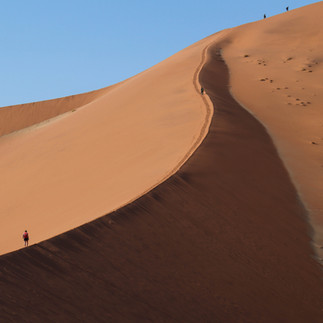
Set within Namib-Naukluft National Park in southern Namibia, Sossusvlei is a vast salt-and-clay pan framed by some of the highest red sand dunes on Earth. The most famous, Big Daddy, rises to around 385 metres above the desert floor. Although travellers often use “Sossusvlei” to describe the whole area, it’s these towering sand dunes that truly draw people to this remote corner of Namibia.
Beyond the iconic sand dunes, the Sossusvlei area offers one of the world’s most scenic desert landscapes – from vast open gravel plains to towering, craggy mountains. The whole region feels pristine and peaceful, a place where you can truly slow down and immerse yourself in nature. For visitors arriving from big cities, one of the greatest luxuries is the night sky: with virtually no light pollution, the star-gazing here ranks among the best on Earth, and parts of the region have even been declared a Dark Sky Reserve.
Desert-adapted animals such as oryx, jackal, ostrich and springbok provide most of the visible wildlife, adding movement and life to an otherwise stark, beautifully barren landscape


7. South Luangwa National Park
South Luangwa National Park is one of the best kept secrets in Africa. It is an extraordinary wildlife destination favored by those seeking prolific sightings away from the crowds. Founded as Luangwa Game Park in 1904 and now spanning over 9,000 km², it offers a genuinely wild and unfenced safari experience. As the celebrated birthplace of the walking safari, the park continues to offer the premier on-foot explorations in Africa, which are expertly paired with classic morning and evening game drives.
The ecosystem supports over 60 mammal species and 400+ bird species, including regional endemics such as Thornicroft’s giraffe, Cookson’s wildebeest, and Crawshay’s zebra. Predators remain a major draw because the valley holds one of the highest densities of leopard on the continent and is increasingly recognized as one of the most reliable locations for African Wild Dog sightings.
While South Luangwa may not be as heavily marketed as other African destinations, this in no way reflects the quality of the experience. On the contrary, the park provides a refreshing, authentic, and non-commercialized alternative to the more crowded circuits.
Flatdogs Camp in South Luangwa stands out as one of the best value lodges in Africa. It remains a firm favorite for travelers who want to immerse themselves in a high quality wilderness experience without breaking the bank.





8. Hwange National Park
Hwange National Park is Zimbabwe’s largest national park, covering about 14,650 km² in the country’s northwest, roughly a three-hour drive south of Victoria Falls. While Hwange doesn’t always receive the publicity of some of Africa’s better-known reserves, that’s part of its appeal, it offers exceptionally rewarding game viewing without the crowds.
Hwange is best known for three headline species. First are its elephants: an estimated 45,000 elephants move through the park, making this one of Africa’s great elephant strongholds. Secondly, it also home to one of Zimbabwe’s most important lion populations, with well over a hundred lions in the greater Hwange ecosystem.
Finally, Hwange is a key refuge for endangered African wild dogs, holding one of the continent’s larger populations; thanks to intensive conservation work, their numbers here have been steadily increasing. The park is also home to the Painted Dog Conservation visitor centre, where travellers can learn more about efforts to protect these remarkable predators.
In total, Hwange shelters over 100 mammal species (including eight large carnivores) and around 400 bird species, making it the most biodiverse of Zimbabwe’s 11 national parks.
Hwange is a fantastic choice for travellers who want an authentic wilderness experience without breaking the budget. The park regularly features excellent specials and generally offers more affordable lodges than many other premier safari areas. In particular, it’s home to several standout four-star camps that really punch above their weight, delivering a quality of guiding and game viewing that rivals far pricier destinations.


9. Damaraland
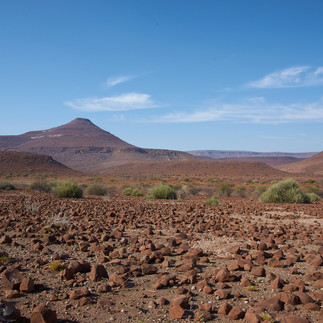
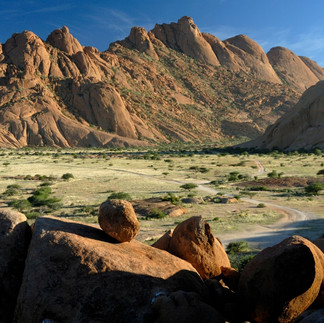
If you want a place that truly represents Namibia’s rugged beauty, start with Damaraland. Bridging the land between the Skeleton Coast to the west and Etosha National Park to the east, Damaraland is a patchwork of private and community conservancies.
Days here move at an unhurried pace: track elephant along sandy riverbeds, scan red ridges for Hartmann’s mountain zebra and oryx, and, with a little luck, encounter free-roaming black rhino or the famed desert lions. Birdlife is surprisingly rich, and the night skies are ink-black and crowded with stars.
Damaraland also tells a deep story of geology and culture, with its real allure lying in the experience of exploring an ancient landscape that has remained largely unchanged for millions of years.
To capture the magic of Damaraland in words is almost an impossible task, it simply needs to be experienced.
Our team have often pondered what makes wilderness areas so impactful and moving to the soul and that is an answer we haven't been able to fully articulate yet, at least not in words but one thing is for sure once you encounter Wilderness it will change you.